IoT Ranch & Agriculture Low Cost Long Range Monitoring Systems
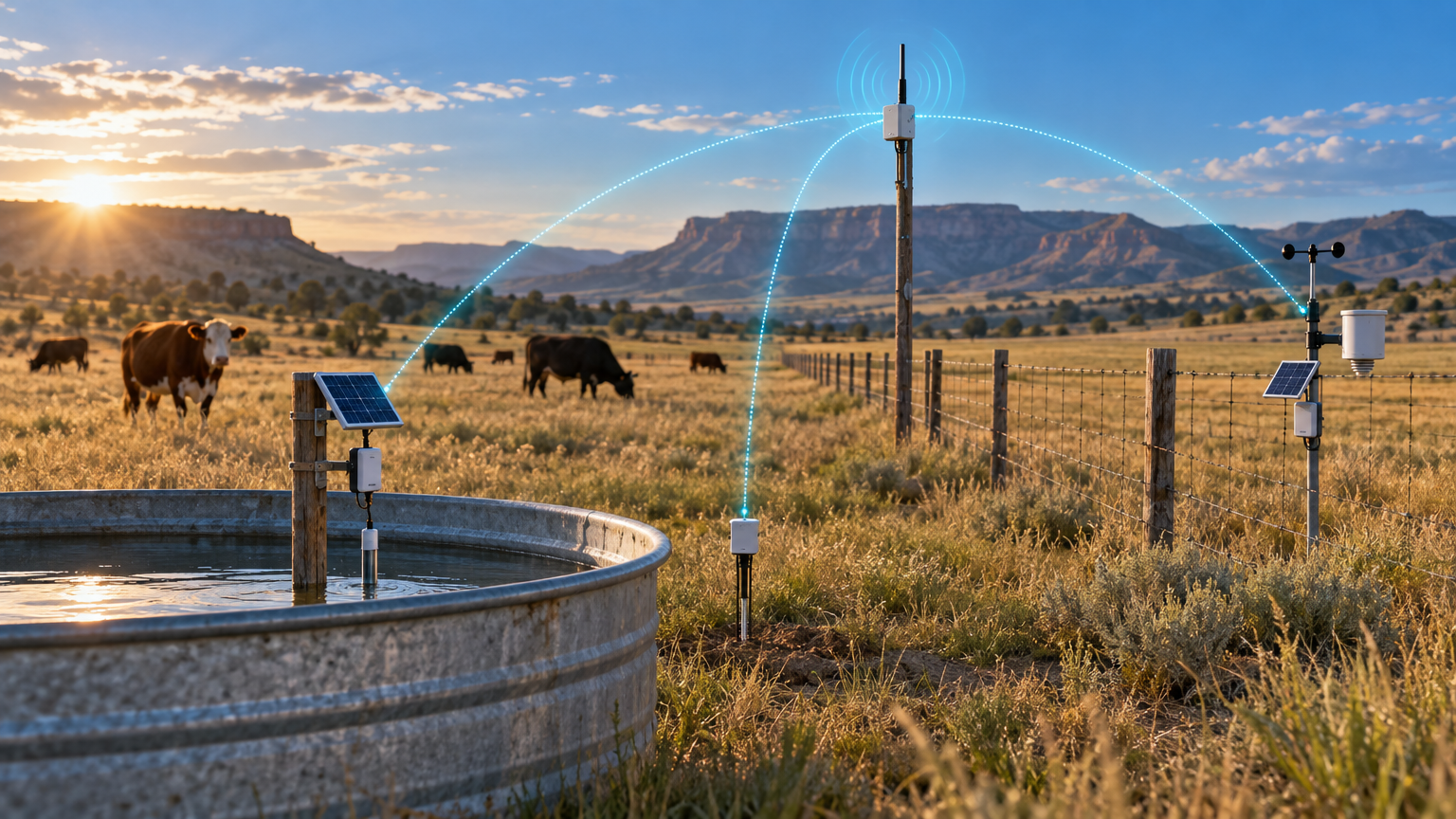
BearMar builds ranch and agriculture monitoring systems around LoRaWAN radio sensors that solve the two problems that kill most farm telemetry projects: distance and deployment complexity.
A LoRaWAN link reaches up to 8 mi between two fixed points (in the very very best case). For a ranch, that means a tank, pump, gate, or weather station can report back to a building or a home office saving countless hours in windshield time – or worse… when you didn’t check and you should have. Where you are covering many sensors across one property and have power and network at a central point, a LoRaWAN gateway is the right architecture instead: the gateway and its network/backhaul carry a low recurring cost, not zero. Where you have two fixed points and a cable run that costs more than the hardware, point-to-point is usually the answer.
The seven systems in this category cover the jobs we see most: water tank and reservoir level, pump and pressure status, gate open/closed state, soil moisture, and local weather. Sensors can be solar powered, and outputs can alert you by text or email through the equipment you already own.
If you are comparing against a cellular tank monitor, model the recurring fee over five years, not one. If you are comparing against a wired float switch, model trenching, conduit, and labor. Point-to-point systems are built so the hardware cost is the whole cost; a LoRaWAN architecture keeps the recurring cost low, but it is still a recurring cost.Not sure which system fits your property? Contact us with your ranch monitoring scenario, the distance, and the sensor needs. We are in Richland Springs, Texas and we design these links for Texas conditions
What You Can Monitor on a Ranch
Water tanks and reservoirs
| Technology | Reliability & Maintenance | Condensation & Environment | Cost & Complexity | Best Use Case |
|---|---|---|---|---|
| Submerged Water Pressure (Preferred) | High. No moving parts to jam. Debris and algae buildup can be managed with proper physical protection. | Immune to surface condensation since the sensing element sits at the bottom or hangs at a fixed depth below the surface. | Low to Moderate. Requires a vented cable for barometric compensation, but electronics are protected above ground. | Agricultural storage tanks, remote stock tanks, and deep wells where reliability and minimal maintenance are critical. BearMar offers a custom submerged water pressure protection cage specifically designed to safeguard these sensors in rough agricultural water reservoirs. |
| Ultrasonic | Moderate. Non-contact keeps it out of the water, but beam accuracy depends on clear line-of-sight to the surface. | Severe vulnerability. Morning dew, heavy humidity, and tank condensation frequently collect on the transducer face, causing false echoes and erratic readings. | Moderate. Easy to mount on top of a tank, but requires careful configuration of blanking distances and beam angles. | Closed, clean-water tanks in controlled environments where top-down mounting is straightforward. |
| Float Switch / Sensor | Low. Highly prone to mechanical failure. Easily jammed by floating debris, mineral scale, sludge, or biological growth (algae/biofilm). | Immune to condensation issues. | Very Low. Simple mechanical or magnetic contact closure. | Basic binary high/low alarms in clean water, but a poor choice for continuous, unattended remote monitoring. |
Pumps and pressure
Gates and livestock
Gates and Livestock: Smarter Perimeter and Animal Monitoring via LoRaWAN
Managing acreage and livestock requires continuous visibility across pastures, pens, and perimeters that often stretch miles from the nearest power outlet or Wi-Fi connection. By pairing long-range LoRaWAN telemetry with low-power edge sensing, operators can automate routine visual inspections and secure access points without running trenching wire or driving miles of fence line daily. Simple magnetic contact switches mounted to primary pasture gates, corral latches, and equipment sheds provide instantaneous alerts if a gate is left open or breached. For animal welfare, microclimate sensors continuously track ambient temperature and relative humidity inside barns, shaded loafing sheds, or coops, warning operators of dangerous heat-index spikes or cold-stress conditions before they result in livestock losses.
Beyond basic open/close and environmental data, high-level animal monitoring now extends to edge-intelligence presence detection. Low-power presence sensors paired with on-device AI object detection can classify and count livestock at bottlenecks—such as watering lanes, working chutes, and mineral stations. Because the AI inference happens locally at the edge, only lightweight metadata (such as animal counts, direction of travel, or anomalous inactivity) needs to be transmitted over LoRaWAN. This architecture preserves battery life for years while providing ranchers with actionable tracking data, confirming herd presence, and flagging trapped or missing stock without the massive bandwidth overhead of traditional streaming cameras.
Resource management around livestock and wildlife feeds into the same low-power ecosystem. While optical cameras struggle in dark bin environments and mechanical paddles frequently jam, solid-state LiDAR sensors offer the ideal non-contact solution for monitoring granular material. Mounted to the underside of bin lids, LiDAR emits focused light pulses to accurately measure the distance to the feed line, unaffected by ambient dust or the steep angle of repose common with bulk feeds. This makes LiDAR particularly valuable for remote deer feeders and bulk livestock troughs: rather than guessing fill levels or hauling feed out on rigid schedules, managers receive immediate LoRaWAN alerts when feed levels drop below critical thresholds, optimizing delivery routes and ensuring feeding stations never run dry.
Soil and weather
Soil and Weather: Precision Hydration Through Closed-Loop Telemetry
Effective irrigation management requires closing the gap between atmospheric demand, current soil inventory, and actual water applied. By integrating the BearMar LoRaWAN rain gauge with multi-depth soil condition monitors, operators gain an empirical, real-time balance sheet of their ground moisture. Rather than irrigating on a static timer, producers track critical root-zone parameters including volumetric water content, electrical conductivity (EC), pH, nitrogen-phosphorus-potassium (NPK) nutrient levels, and soil temperature. Correlating tipping-bucket rainfall data directly with deep-soil infiltration curves immediately reveals whether a localized storm actually reached the crop’s root profile or was lost to surface runoff and canopy interception.
To close the control loop, this sensory data integrates with LoRaWAN-enabled latching valve actuators and pump controllers. When soil moisture drops below a designated depletion threshold and no rain is forecast, the system can automatically command remote solenoid valves to open, running targeted irrigation cycles without requiring a manual visit to the well head. Conversely, when the BearMar rain gauge registers an incoming weather event or when soil sensors confirm field capacity has been reached, the system pauses pending cycles, eliminating overwatering, reducing pumping power, and preventing expensive fertilizer leaching.
Verifying that applied water matches intended volumes requires continuous volumetric auditing, which can be accomplished without industrial-scale pricing. By sourcing standard pulse-output water meters—readily available on Amazon—and wiring them to rugged LoRaWAN pulse counters, managers transform off-the-shelf brass or plastic flow meters into telemetry nodes. The digital counter tallies each dry-contact closure, converting gallon- or liter-level pulses into an energy-efficient data packet sent back to your central dashboard. By comparing the exact volume of water pumped against the corresponding rise in root-zone soil moisture, growers can detect pipeline blowouts, calculate irrigation application efficiency down to the drop, and prove precise stewardship of their water resources.
How the System Works
Sensors to radio
How LoRaWAN Works: The Backbone of Connected Agriculture
A LoRaWAN system functions on a hub-and-spoke star-of-stars topology designed specifically to balance extreme radio range, battery longevity, and low data payloads across expansive acreage. At the field edge are the end devices: ruggedized, battery-operated nodes connected to agricultural sensors such as soil probes, tank level pressure transmitters, and gate contacts. When a sensor takes a reading, its internal radio uses LoRa (Long Range) chirp spread spectrum modulation to broadcast the small packet of data over unlicensed sub-GHz spectrum (such as 915 MHz in North America). Because this physical-layer modulation can decode signals well below the ambient RF noise floor, even a milliwatt transmission can travel several miles through crop canopies, rolling topography, and steel barn structures. The nodes remain asleep for the majority of the time, drawing microamps of current and waking only for milliseconds to sample and transmit, yielding multi-year operational life from standard lithium batteries.
Surrounding these field nodes are one or more central LoRaWAN gateways, often mounted on tall infrastructure like grain legs, windmill towers, or standalone solar stations. Unlike Wi-Fi access points or cellular towers that require dedicated pairing, LoRaWAN gateways simply act as transparent listening bridges; any gateway within listening distance that picks up an encrypted packet captures it and immediately forwards it across a standard IP backhaul (typically 4G/5G cellular, satellite, or local Ethernet). Multiple gateways can receive the same transmission simultaneously, which provides spatial diversity and eliminates single points of radio failure across a ranch. The gateways do not process the data or run complex handshakes; they forward the raw radio packets directly upstream, keeping field hardware requirements light and weather-resilient.
At the top of the stack sit the LoRaWAN Network Server (LNS) and Application Server. The LNS handles the intelligence of the network: it de-duplicates redundant packets received from multiple gateways, verifies cryptographic authenticity using the device’s 128-bit AES encryption keys, and adjusts data rates via Adaptive Data Rate (ADR) algorithms to optimize battery performance. Once validated, the decrypted payload passes to the Application Server, which converts raw hex strings into human-readable engineering metrics—gallons remaining in a remote stock tank, root-zone volumetric moisture, or ambient heat index. From there, users view the data via unified dashboards, receive instantaneous SMS threshold alerts, or send downlinks through the network to trigger latching actuators that start a well pump or open an irrigation line.
Products by Category
-
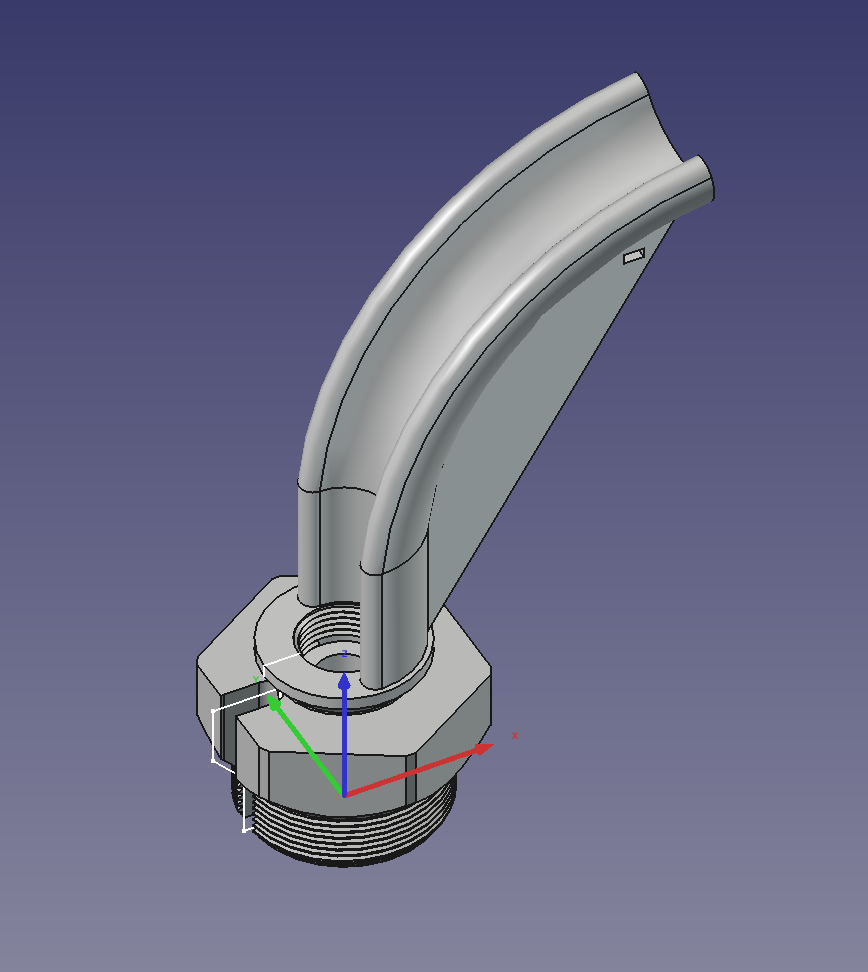
2 inch plug for wire sensor pass and garden hose filling
$24.99 -
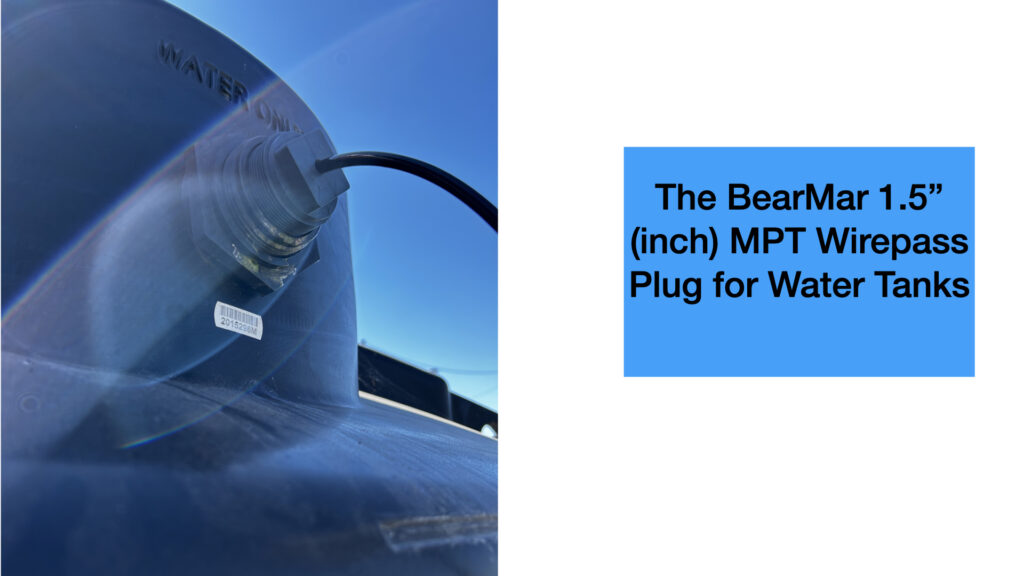
3-PACK – 1.5 inch MPT Water Tank Plug with Wirepass Hole for Submersible Pressure Sensor Wires
$19.99 -
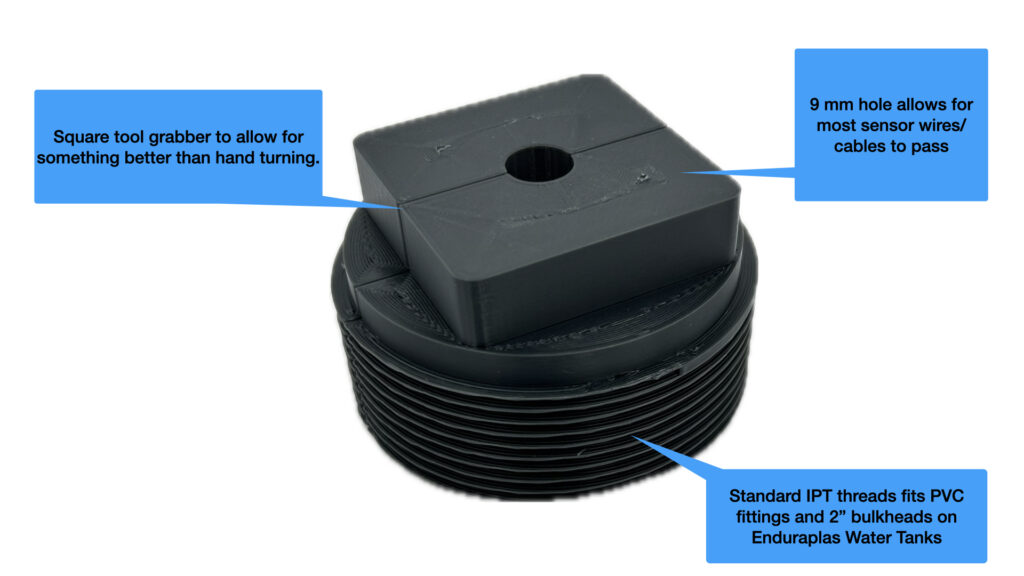
3-PACK – 2 inch MPT Water Tank Plug with Wirepass Hole for Submersible Pressure Sensor Wires
$19.99 -
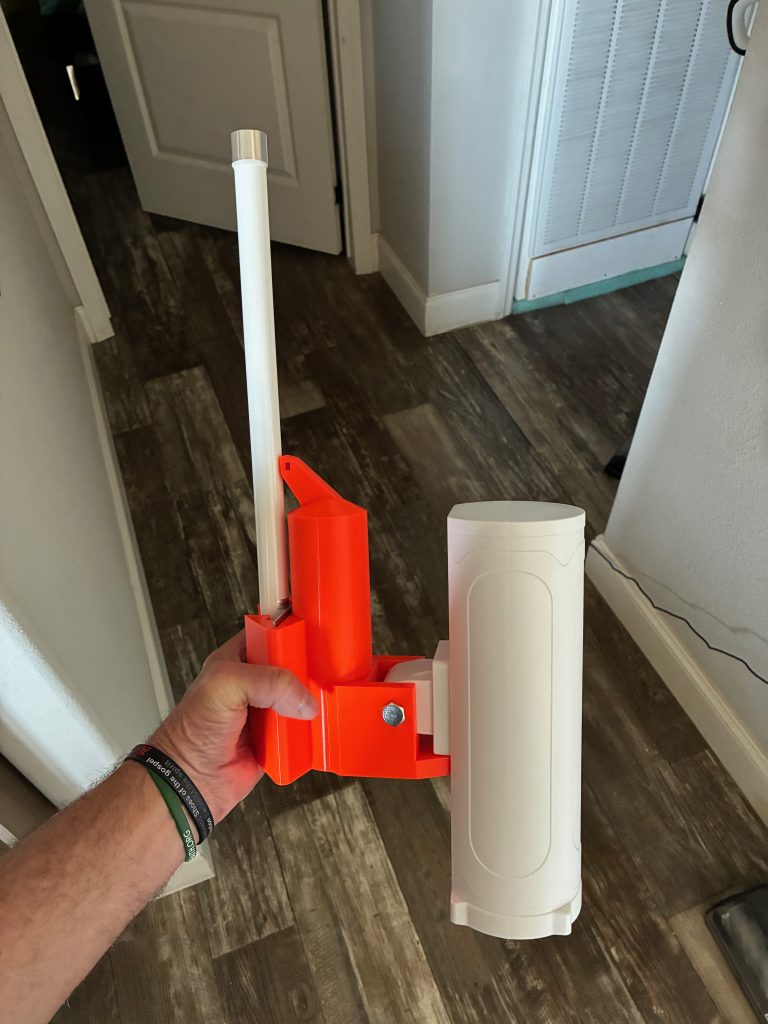
All-in-one Mounting Bracket for Dragino DLOS8 onto Winegard Swedged Poles
$69.99 -
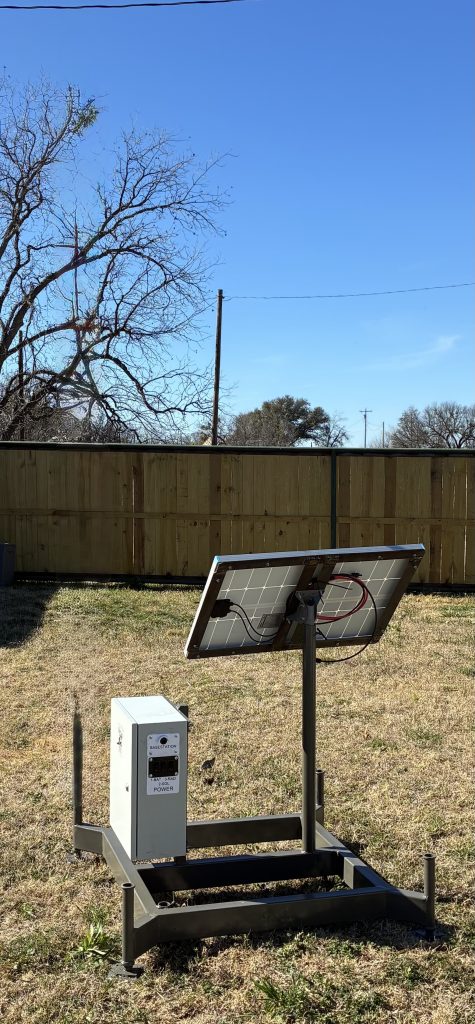
RidgeBeamer – Instant Ranch Solar Power System
$1,275.00 -
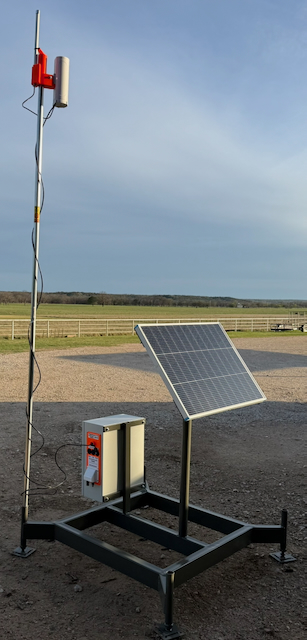
RidgeBeamer – Instant Ranch Telemetry – Solar Gateway System
$2,100.00 -
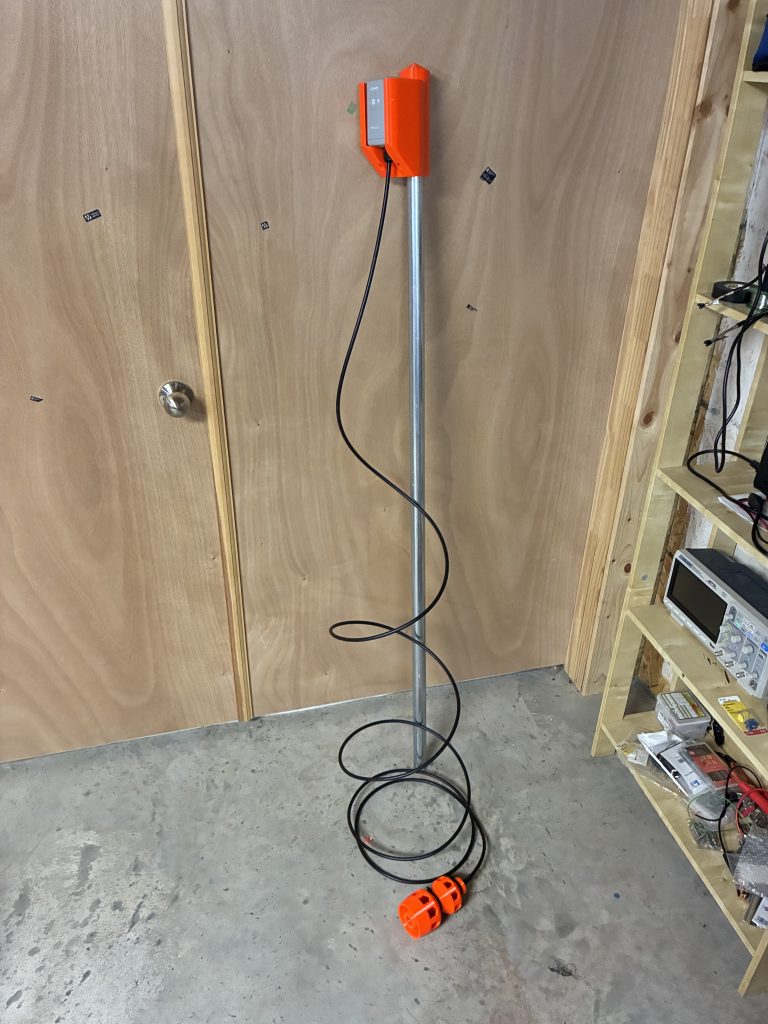
Water Reservoir Probe System – Milesight Probe
$599.99
Frequently Asked Questions
No. At the water tank (or whatever else you want to monitor) you choose an appropriate sensor. The sensor will have built-in LoRaWAN radios which can transmit up to 8 miles. Realistically, though, you might start with a 2 mile real-world expectation. The sensor transmits the value it is reading (temp, distance, height, open/close, etc.) over the LoRaWAN link to a gateway – such as the RidgeBeamer. The RidgeBeamer then will have some link such as satellite or cellular to transmit the data to the internet for your use.
One of the MASSIVE benefits of LoRaWAN is that the sensors can use small batteries which can last anywhere from 3-10 years depending upon how often the data is transmitted. Because of this, you can use sensors that are simply NOT POSSIBLE using cellular or satellite attached sensors.
Yes. You will need a gateway to collect all the sensors LoRaWAN transmissions for a 2-3 mile radius which is a tremendous area. The advantage of this sensor (spoke) and gateway (hub) configuration is that ONLY the gateway requires any internet access – and there are several ways to get internet access. You don’t have to solve it for the sensors.
There is a small base rate of $30/month PLUS a per-sensor fee of $10/month. For example, a customer monitoring 6 water tanks will spend $90/month and nothing else. But for $90 this customer has 100% awareness of the water situation. In one summer, they have avoided tank-dry situations 4x and avoided a well problem by early detection, likely saving them several thousand dollars.
In theory, you should be able to locate the sensors as far as 7 to 8 miles from the gateway. In our ranch deployments, we’re seeing about a 1.5 – 2 mile range. Partly this is because it is usually VERY HARD to get the ridgebeamer ON THE RIDGE. Also, there is a great deal of intervening foliage. So it is often the case that you do not have clear line-of-sight.
The RidgeBeamer is designed to be lifted off of a pickup and simply turned on and be instantly deployed. It has solar built into it and the panel and the battery is completely over designed. The biggest obstacle we have had on ranches is the darned raccoons. They are very naughty.
Most sensors are best ran off of their internal battery which, depending on several factors, lasts from 3-5 years. So most of the time, this isn’t an issue. HOWEVER, there is a sensor/device I really, really like called the Dragino LT-22222 which can sense ANYTHING and it requires power. I use it to monitor the solar panels in the RidgeBeamer (power already included) for good operation. I also use it to control my aquaponics pumps which has been very reliable so far.
The list for things you can monitor is IMMENSE. I have found that the most useful sensors are a magnetic contact sensor (doors, windows), a digital counter (counts rainfall, counts gallons from a meter), water level sensor (so far submerged sensors are the easiest), water flow/water meter, temperature – particularly for freezers where the cost of failure is high. If the cost of failure for something is high, then BearMar and you can work on a way to monitor it.
Most sensors run around $150 and a gateway will run $500-$1200. You have to be careful with that though since the people in the equipment factories have no idea the best way to install the equipment in the field. BearMar makes high visibility tough outdoor plastic brackets and mounting systems that make deployment a snap. If you have ranch hand/manager go out and spend an entire day installing something, then you just put several hundred “hidden” dollars into something that BearMar could helped make easier.
It can. However, if you locate your transmitter down low in a valley, this won’t work well. That is why the LoRaWAN Ridgebeamer has the name “Ridge” – “beamer”. You need to get the gateway as high as you possibly can. Then based on where your sensed items are located you might be OK. However, BearMar can envision a scenario where to get good coverage, you might located several RidgeBeamers on key ridges on your ranch. It is my observation that there are ridges which can see big chunks of the ranch.
No you don’t. One of the miracles of LoRaWAN is that it is incredibly low power. It is designed just for battery operation. To be fair, I pick, as an example, the Milesight EM500 series of sensors, because it has a HUGE battery. As well, these are very special batteries that also last a very long time. So no, you should not have to change batteries very often. I have several sensors in my test setup that have been running for 4 years.
The BearMar system is designed to be “ranch to phone”. You can get alerts on your phone that are designed to work with IoS and Android alert system. You will actually have your own app where you can view all the sensors on your ranch. The experience is better, in my opinion, if you have a computer, but portable devices are no problem.
A single gateway can easily handle a 1000 devices. To reduce the number of gateways, you locate the gateway NEAR to where there are lots of things to monitor. If you were monitoring a 200-300 acres tract full of things – for example maybe some processing plant or series of buildings, you will only need one gateway. A great example might be a swine or hog confinement facility. Lot of things to monitor, but only a single gateway would be needed, assuming the facility is contained in a colocated region – like most confinement facilities are.
Related Guides (internal links)
-
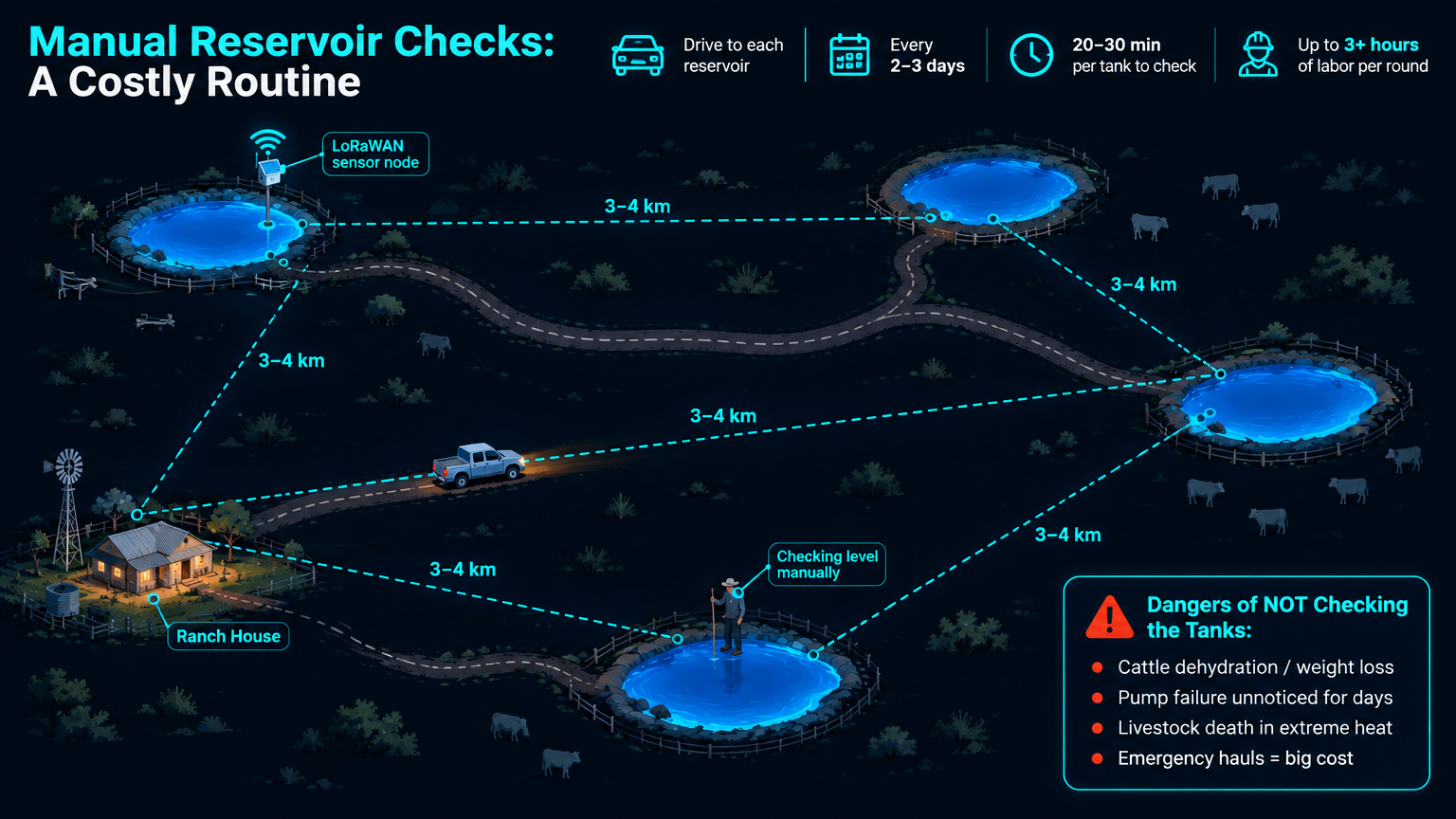
Remote Water Level Monitoring for Cattle Reservoirs: How LoRaWAN Sensors Solve Water Storage Problems in Poor Soil Areas
In many ranching regions across the American West and Great Plains, traditional dirt ponds simply don’t work. The soil is too rocky, too sandy, or has high clay content that causes excessive seepage. Ranchers have turned to large concrete reservoirs and steel tanks to store water for their cattle. While these structures solve the seepage…
-
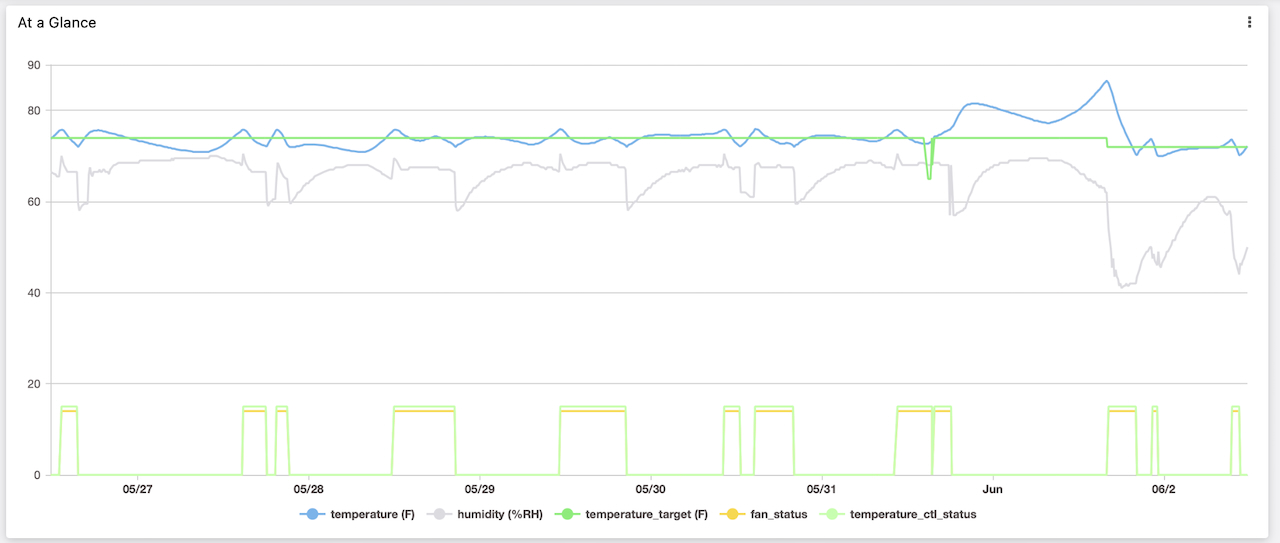
Lorawan for AirBnB/VRBO/Short Term Rental Management
The primary goal is to have a VIEWPORT (other terms might be dashboard) so that “at a glance” you can monitor and control your remote property for the benefit of your guests and the preservation of your property. By focusing on the dual goals of 1) guest benefit and 2) property preservation you can, all…
-
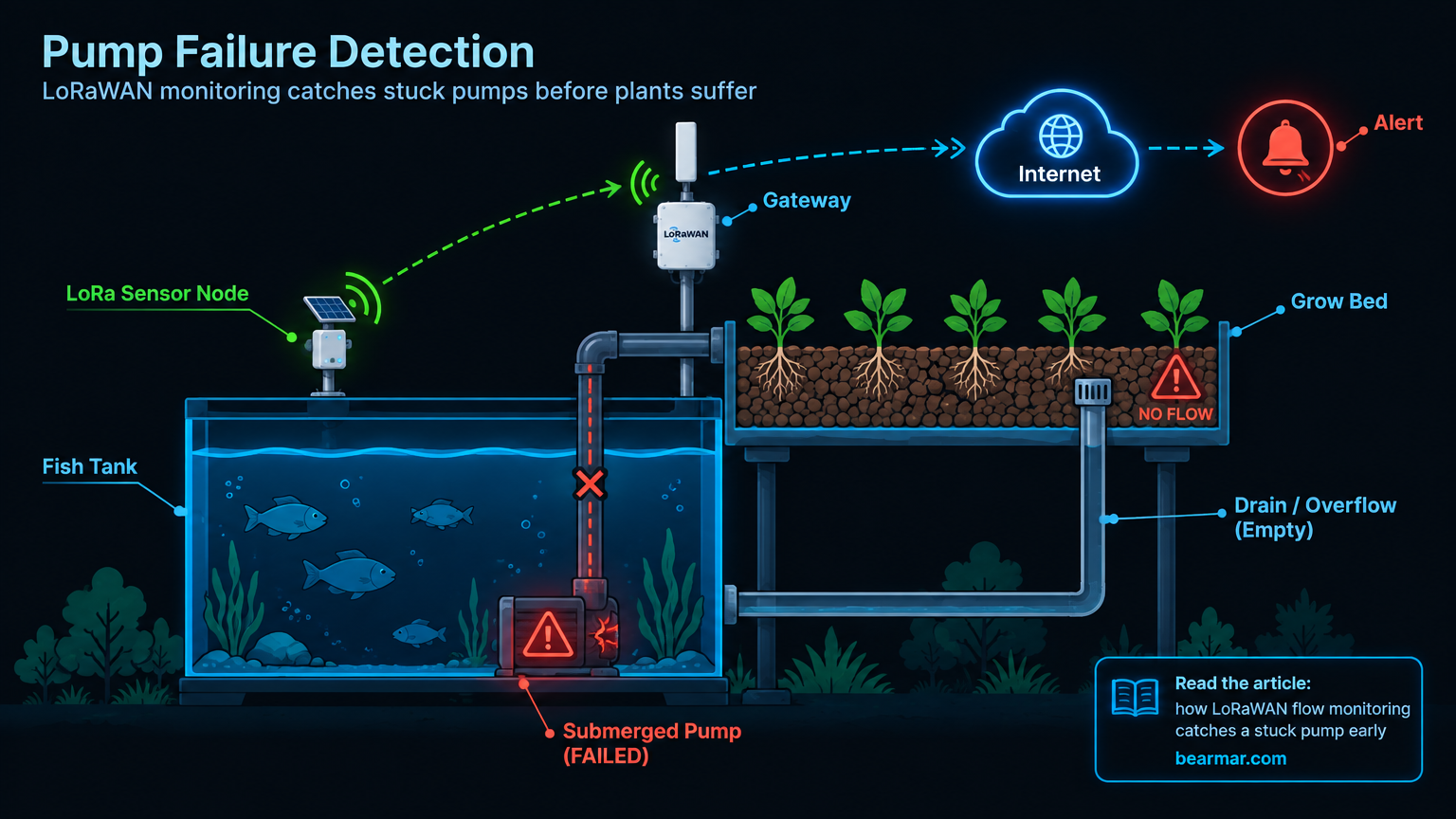
Beyond the Return Flow: Addressing the “Stuck Pump” Hazard in Aquaponics
In a previous discussion on optimizing aquaponics efficiency, we explored the “Flow Insight” model—the art of using return flow monitoring to diagnose everything from root density to pipe blockages. However, as any veteran operator knows, a system that works perfectly is only half the battle. The other half is preparing for when it fails. While…
-
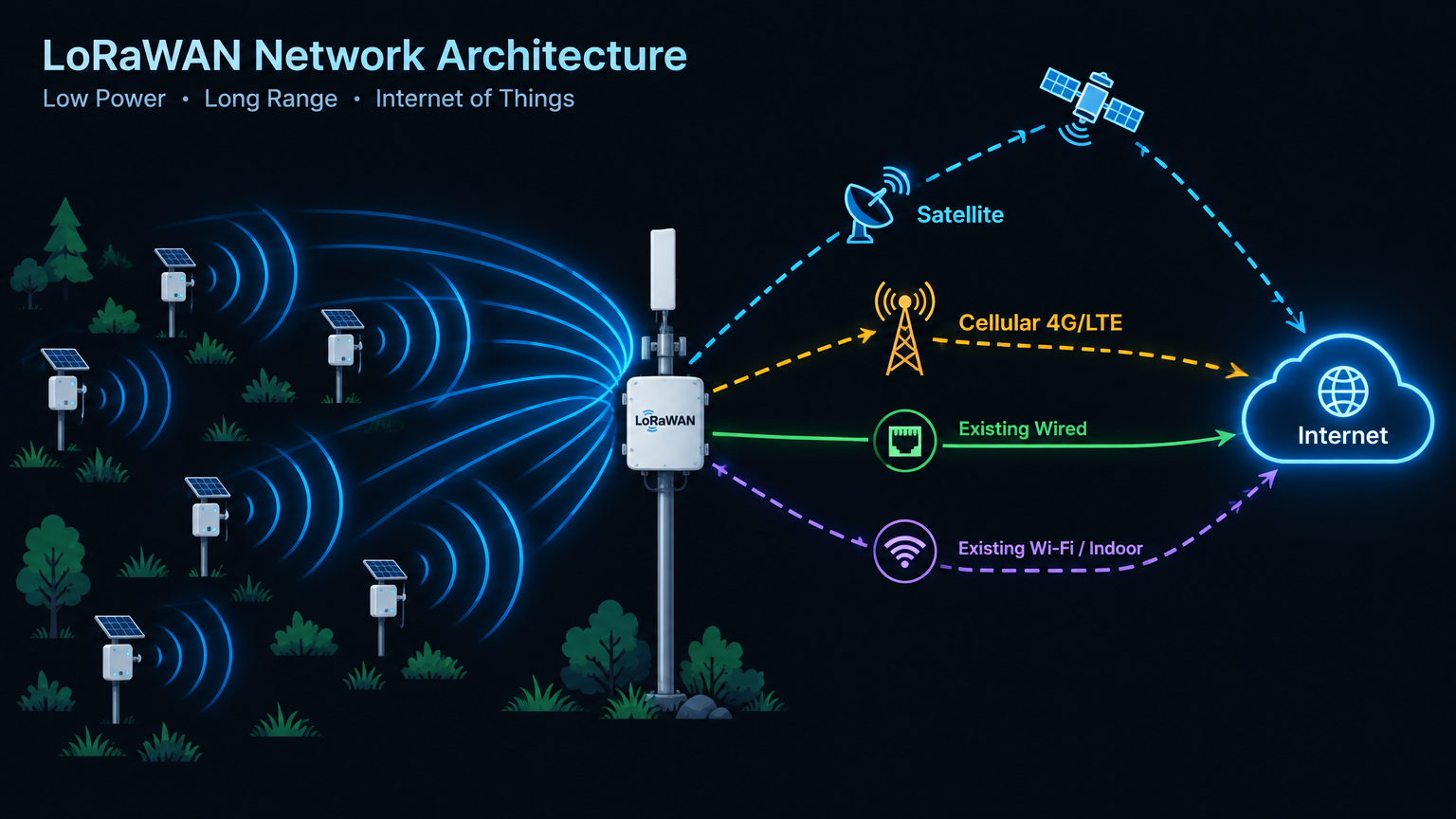
Bridging the Gap: A Comprehensive Guide to Connecting LoRaWAN Networks to the Internet
Compare LoRaWAN backhaul bandwidth…
-
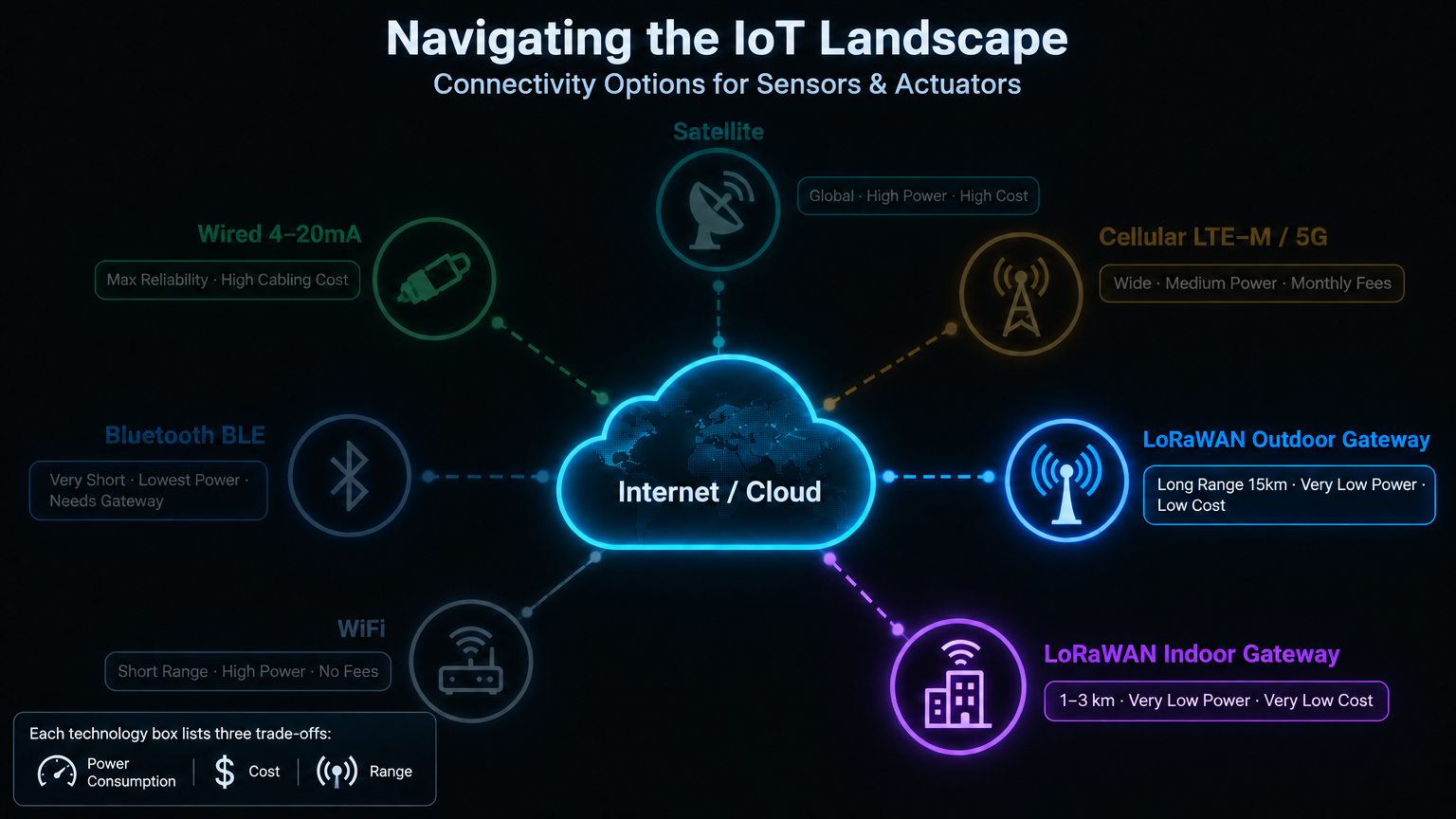
Navigating the IoT Landscape: Choosing the Right Connectivity for Sensors and Actuators
In the rapidly evolving world of the Industrial Internet of Things (IIoT), the method you choose to connect your sensors and actuators to the internet is the single most important architectural decision you will make. Whether you are monitoring oil pipelines in the middle of a desert, managing a smart warehouse, or automating a manufacturing…
-
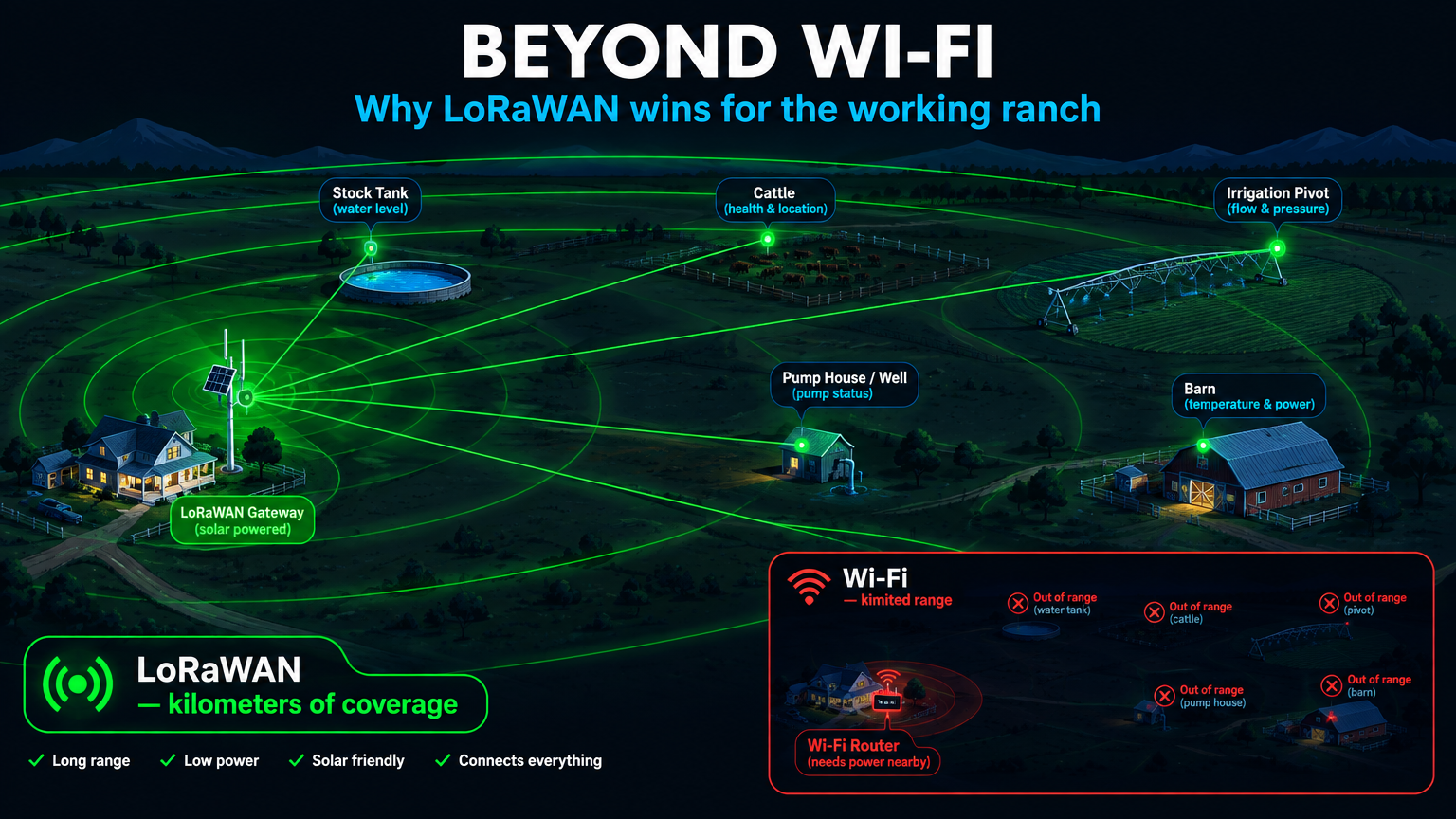
Beyond Wi-Fi: Why LoRaWAN is the Superior Choice for Industrial IoT and Agriculture
When designing custom electronic control systems—especially for agricultural or industrial environments—engineers often fall into the trap of choosing the path of least resistance. Because Wi-Fi is ubiquitous, cheap, and familiar, it is frequently the “go-to” protocol for IoT projects. However, as many have discovered the hard way, Wi-Fi is designed for the carpeted office or…
-
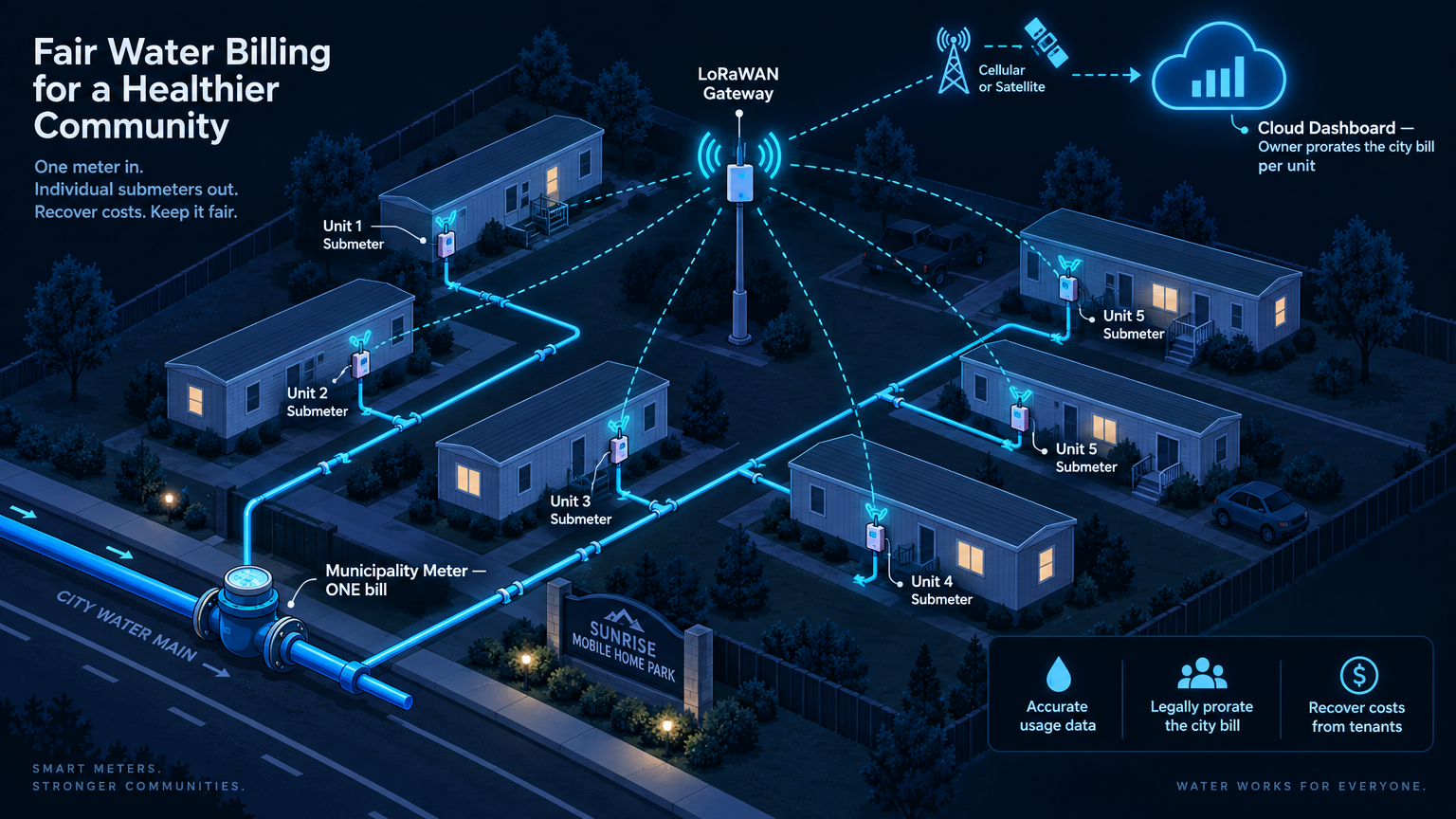
Maximizing Revenue and Efficiency in Trailer Parks: The Power of LoRaWAN Submetering
For many trailer park operators, utility management represents one of the most significant operational challenges. When park owners absorb the cost of water without an accurate, automated system to bill tenants, they suffer from “silent” losses. In many cases, usage goes unchecked, leaks go unnoticed for weeks, and the burden of water utility overhead erodes…
-
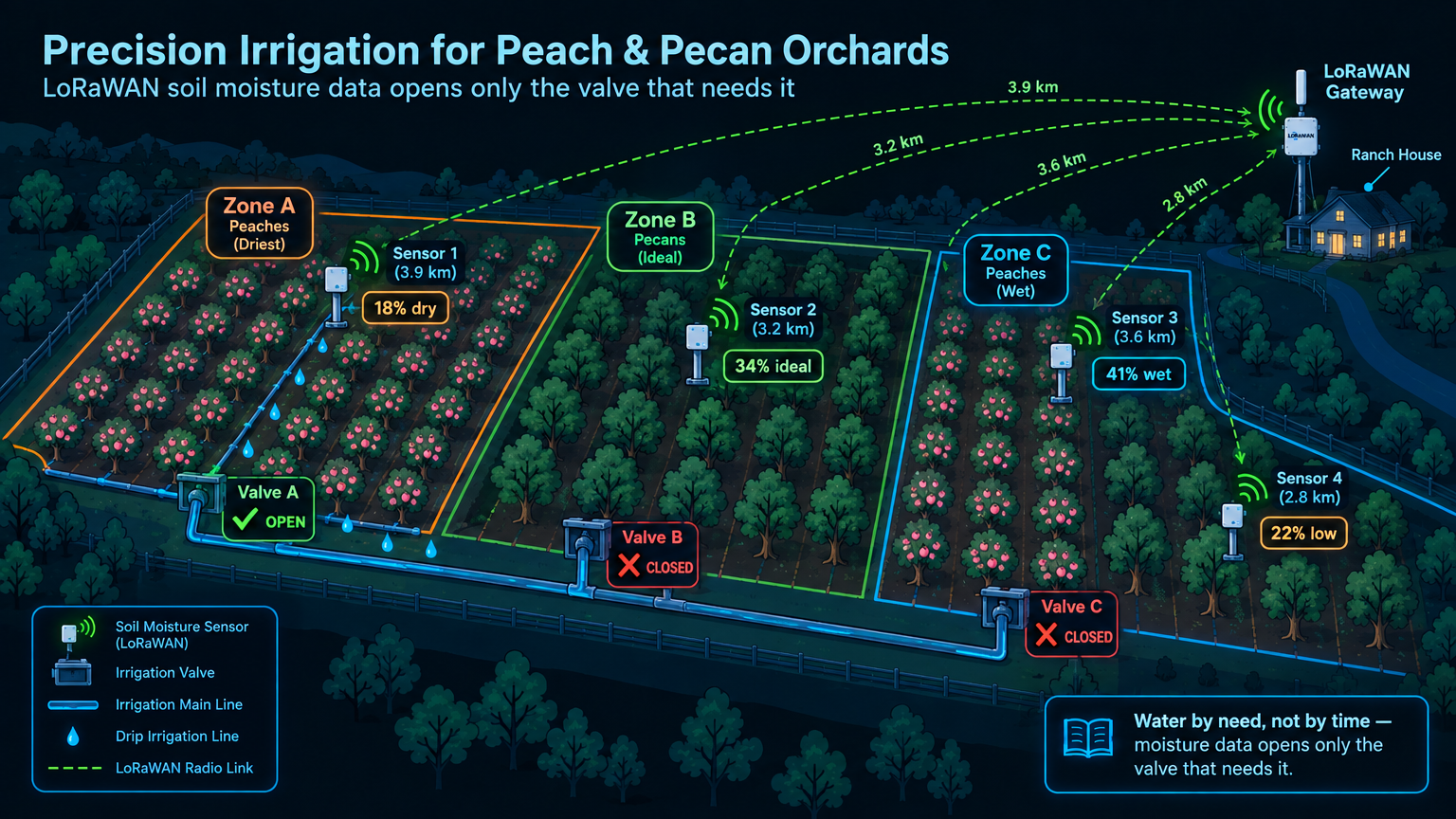
Precision Agriculture: Mastering Orchard Hydration with LoRaWAN Time-Correlation
In the world of modern orcharding, water is the lifeblood of production. However, understanding exactly how much water your trees are receiving—and how much they are actually retaining—is a complex challenge. By leveraging LoRaWAN technology to create time-correlated data streams, growers can transform their orchards from intuition-based operations into precision-engineered landscapes. The Power of Time-Correlated…
-
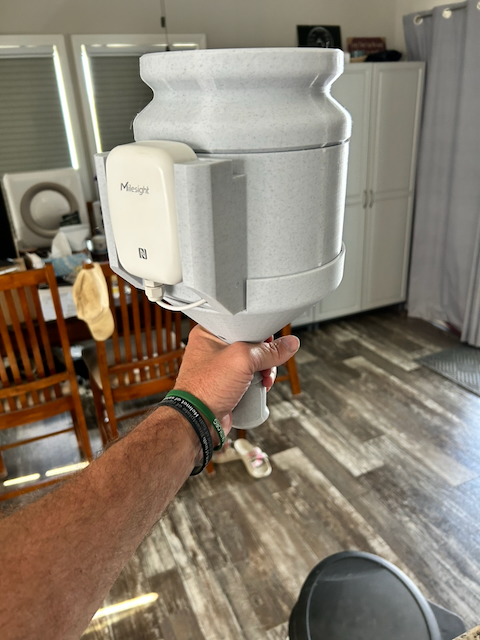
Reliability Reimagined: Why BearMar Built the Ultimate 3D-Printed LoRaWAN Rain Gauge
In the world of precision agriculture, residential weather monitoring, and environmental data collection, the rain gauge is a fundamental tool. Whether you are a farmer managing irrigation cycles or a homestead enthusiast tracking local climate patterns, data accuracy is non-negotiable. For years, the market has been dominated by mass-produced, consumer-grade solutions—most notably brands like AmbientWeather.com.…